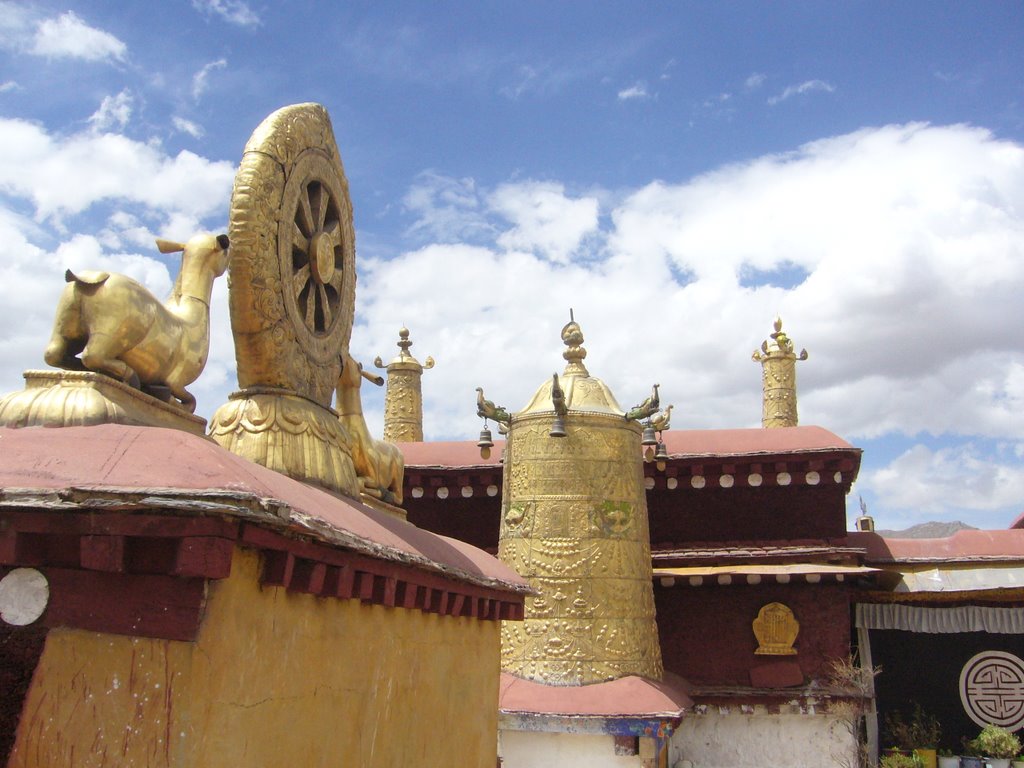
Gyantse rises to an elevation of 13,050 feet. This town was very small, but still happens to be the third largest in Tibet. It had a much different feel than Lhasa. This town hasn't been swamped with all the tourist shops.
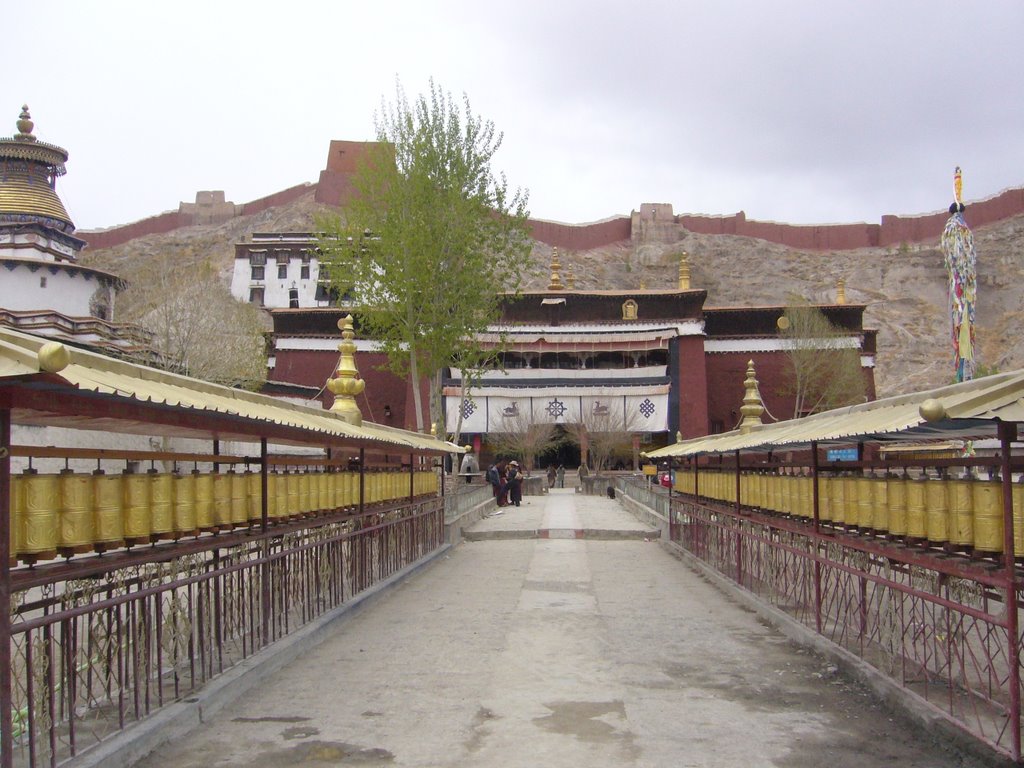 In my research, I've found this place to be labeled four different names. Usuing only two of those, it can be called Baiju Temple or the Pelkhor Chode Monastery. Prayer wheels on either side are used for both entering & departing. Pelkhor Chode Moastery was built in 1427.
 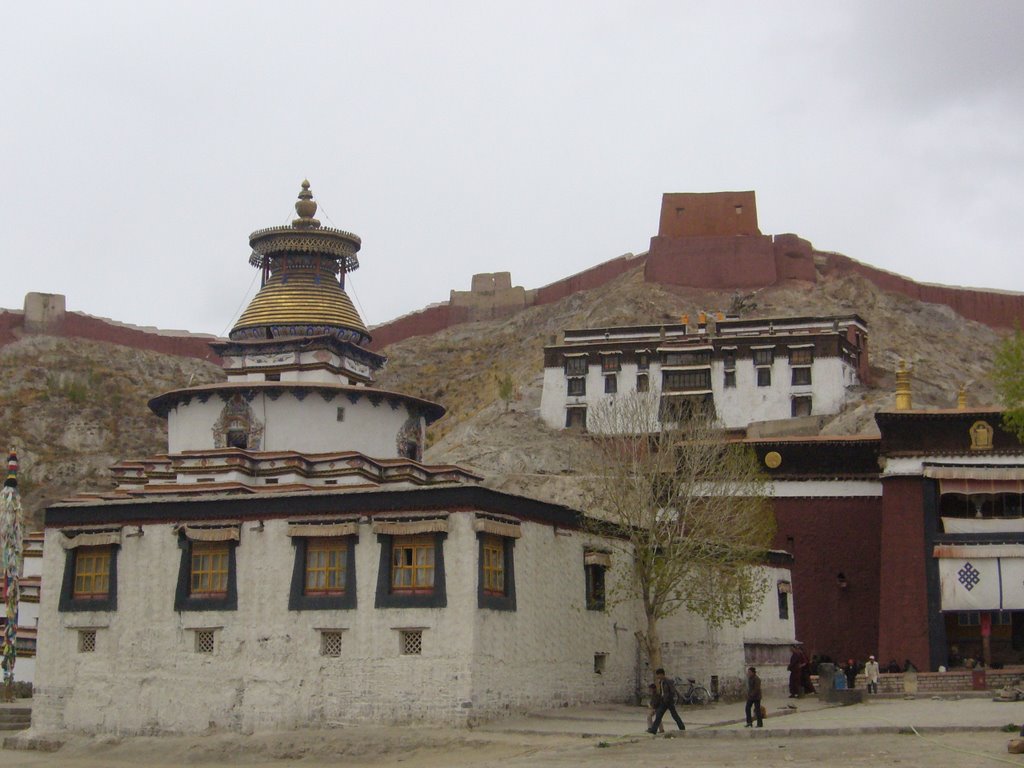 This stupa, on the left, has 9 tiers & 108 chapels. It was completed in 1422.
 .1.jpg) A closer view of Kumbum Chorten, or 10,000 Images Stupa. Each tier has a different floor that can be circumambulated.
A closer view of Kumbum Chorten, or 10,000 Images Stupa. Each tier has a different floor that can be circumambulated.
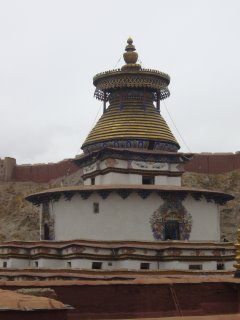
An even view with the upper layers of Kumbum Chorten. There were so many rooms, or chapels, on each tier! I believe this is the biggest stupa in Tibet.
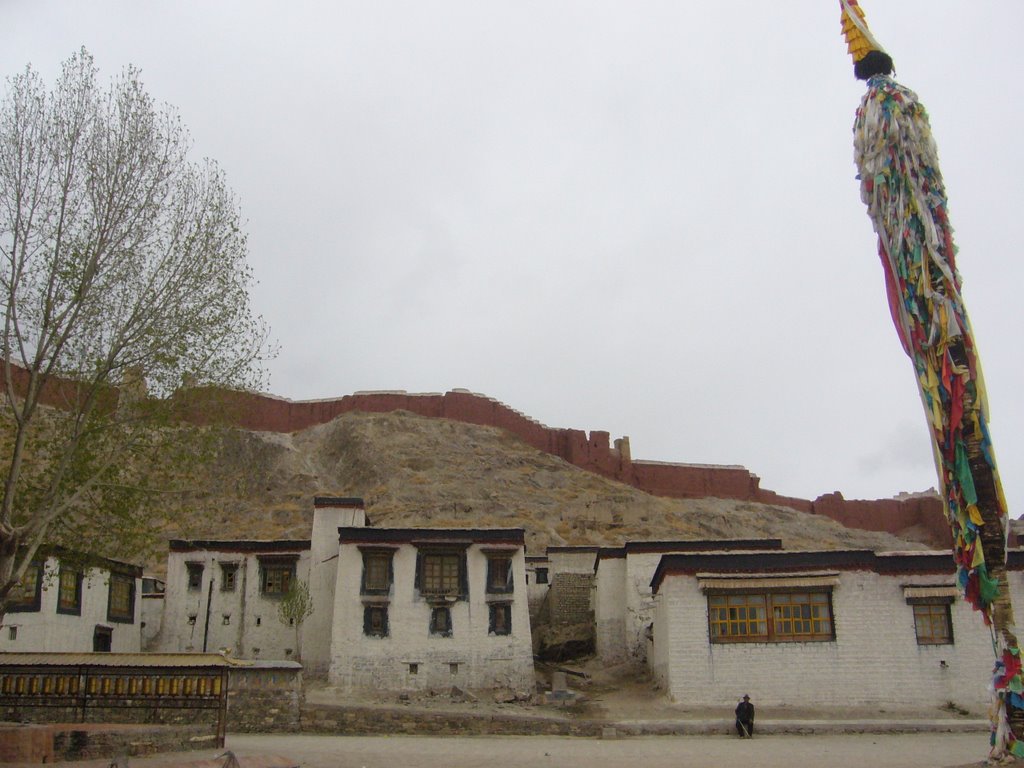 The Gyantse Fortress wall in the northern background.
  On top of the first building, looking west.
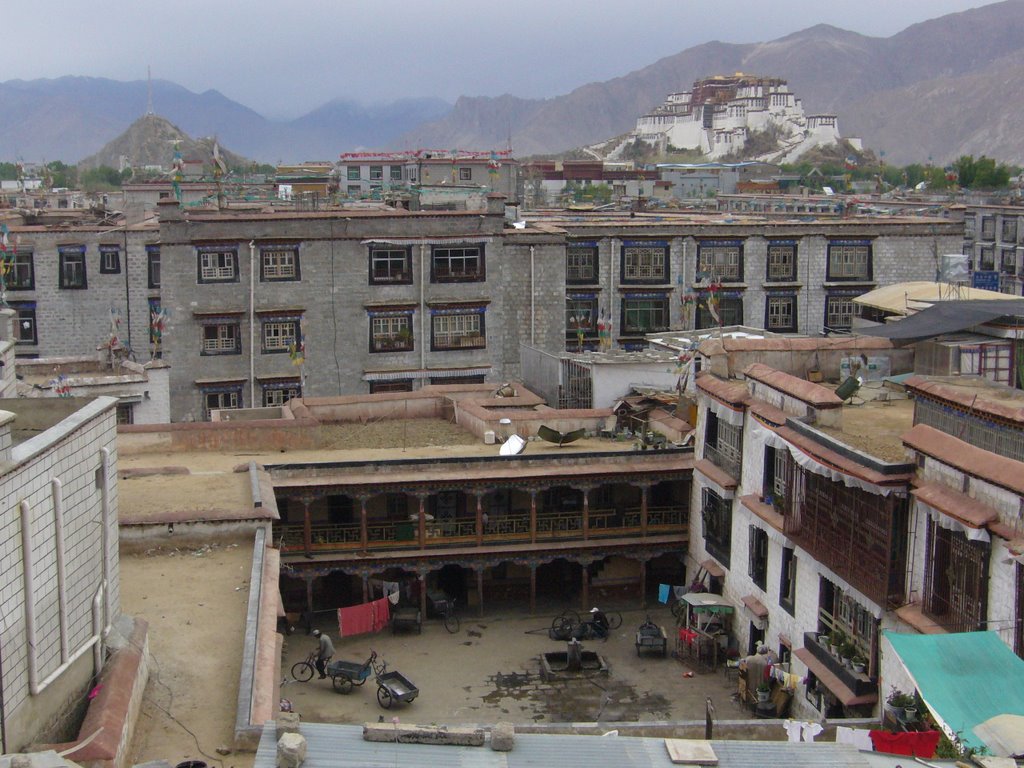
 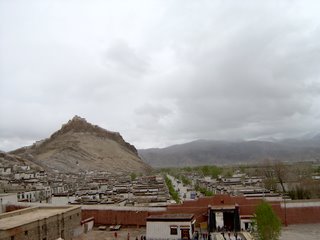 A view of Gyantse with the Dzong Fortress towering above.
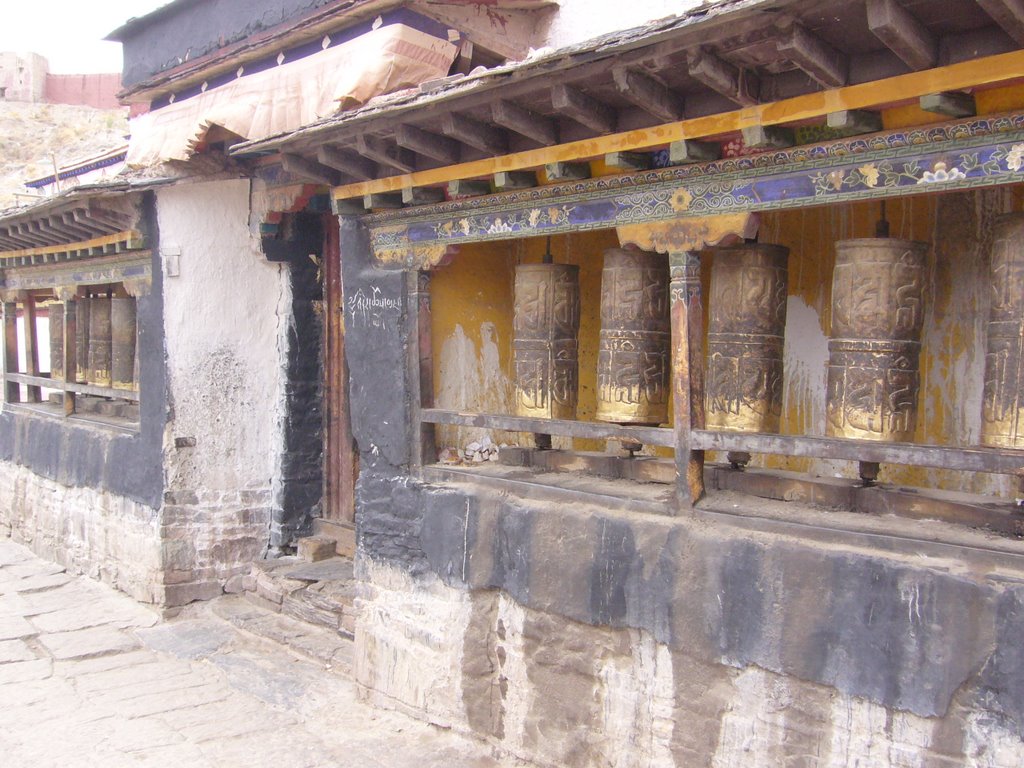 Prayer Wheels
  Paul & I stopped for a photo with our tour guide, Kelsang. He spoke his native language of Tibetan & also spoke in Mandarin & English. He was a very knowledgeable guide, especially when it came to asking questions about Tibetan culture. I highly recommend a Tibetan guide!
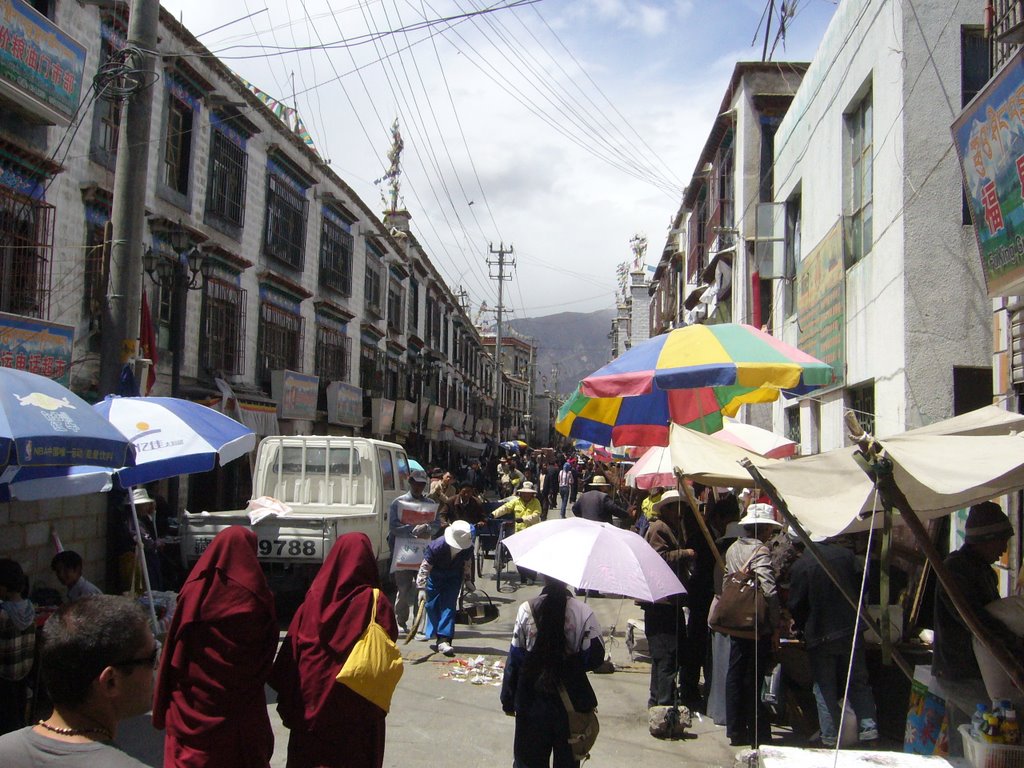
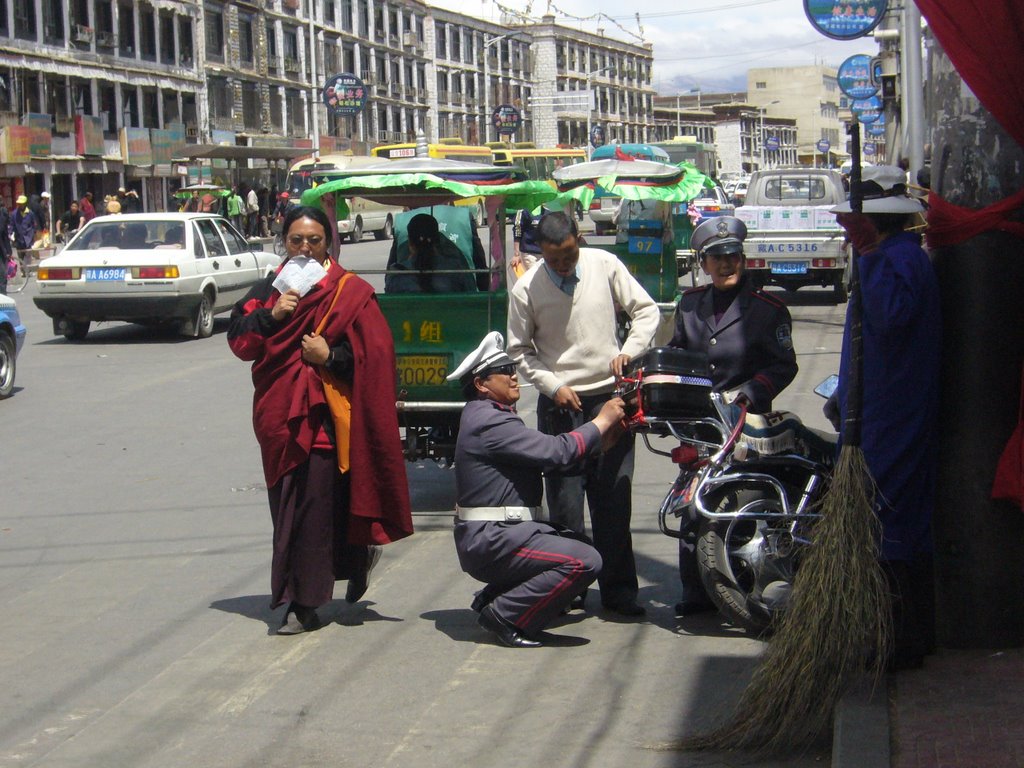
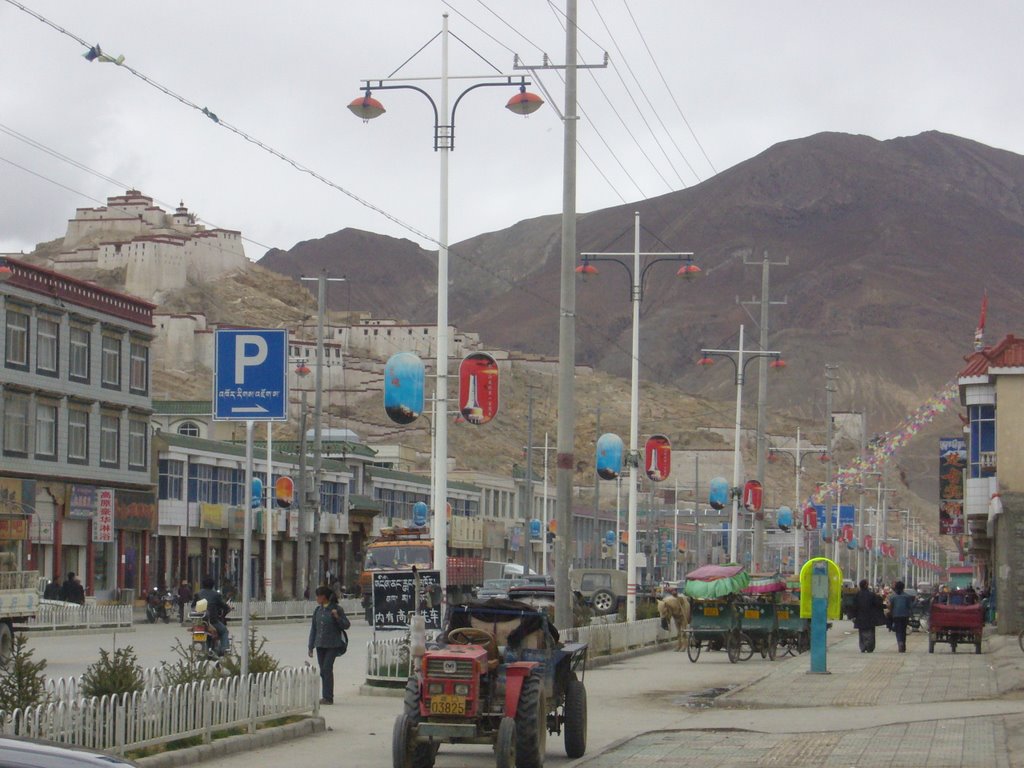 Kelsang left us alone each day to venture out on the streets. Did I already mention that this town had a much different feel than Lhasa? This was more of what I was expecting from Tibet.
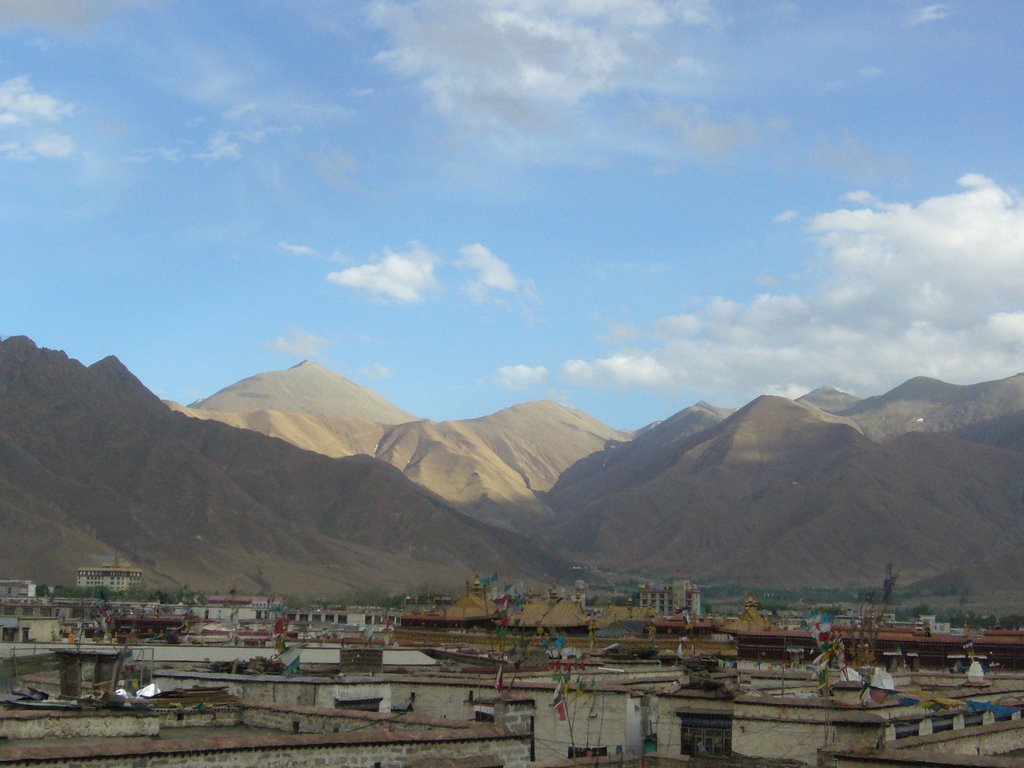
 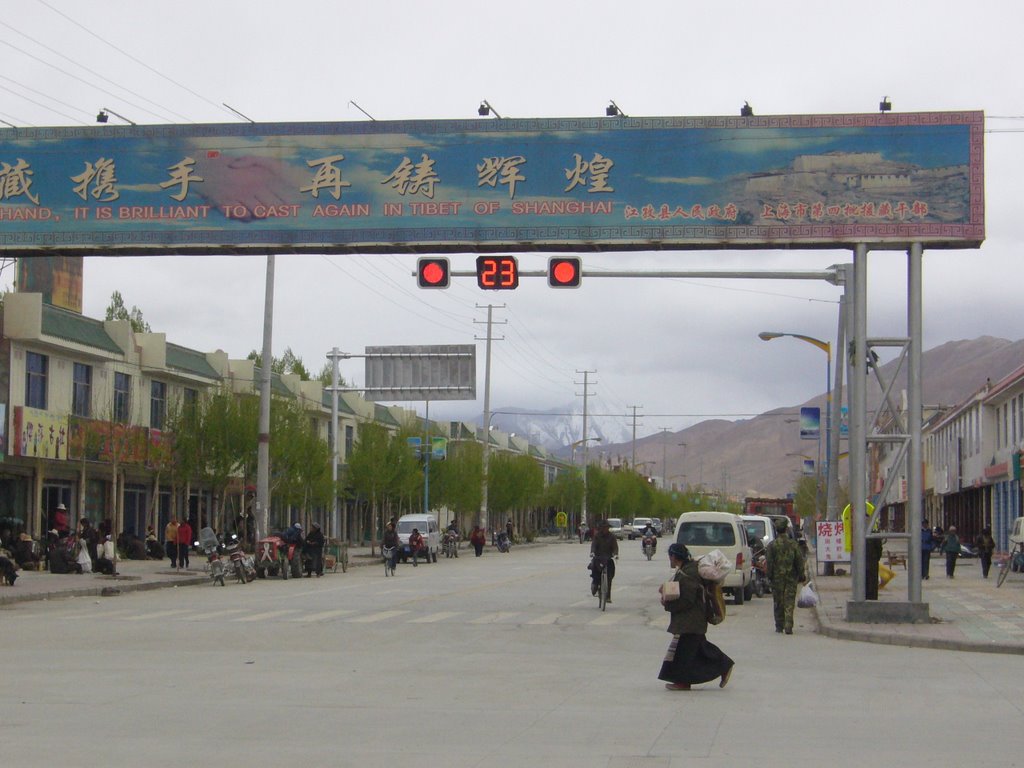 Another street photo with some of the mountains in the background. Odd to think that the mountains surround this town when it's at 13,050 feet.
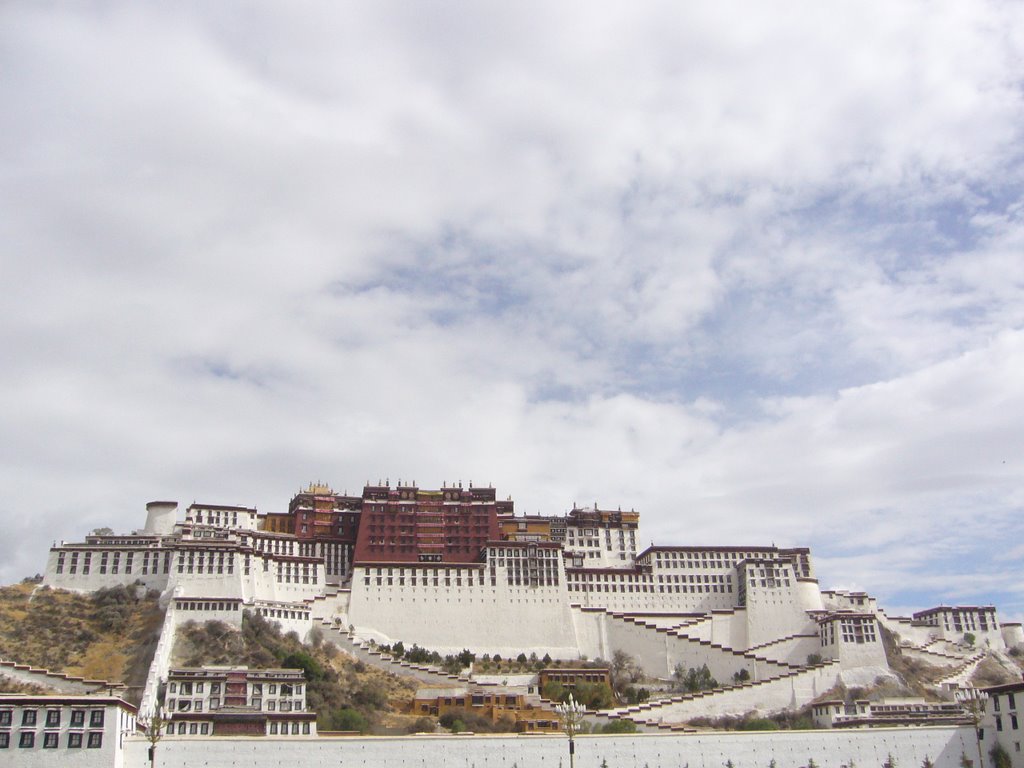
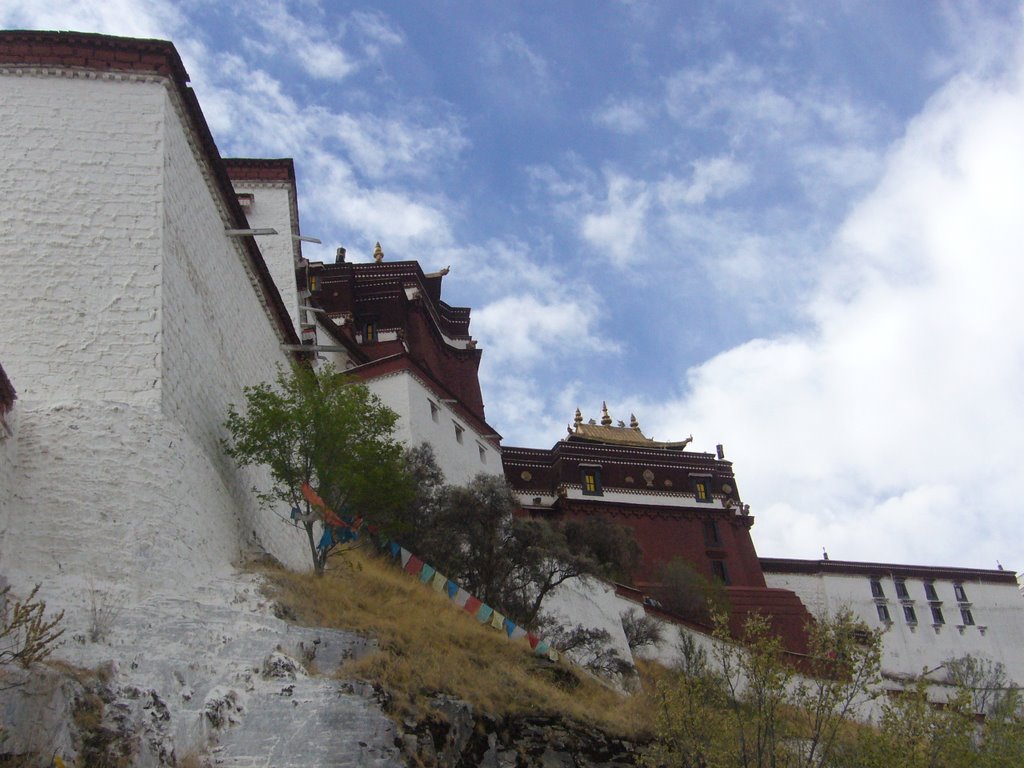
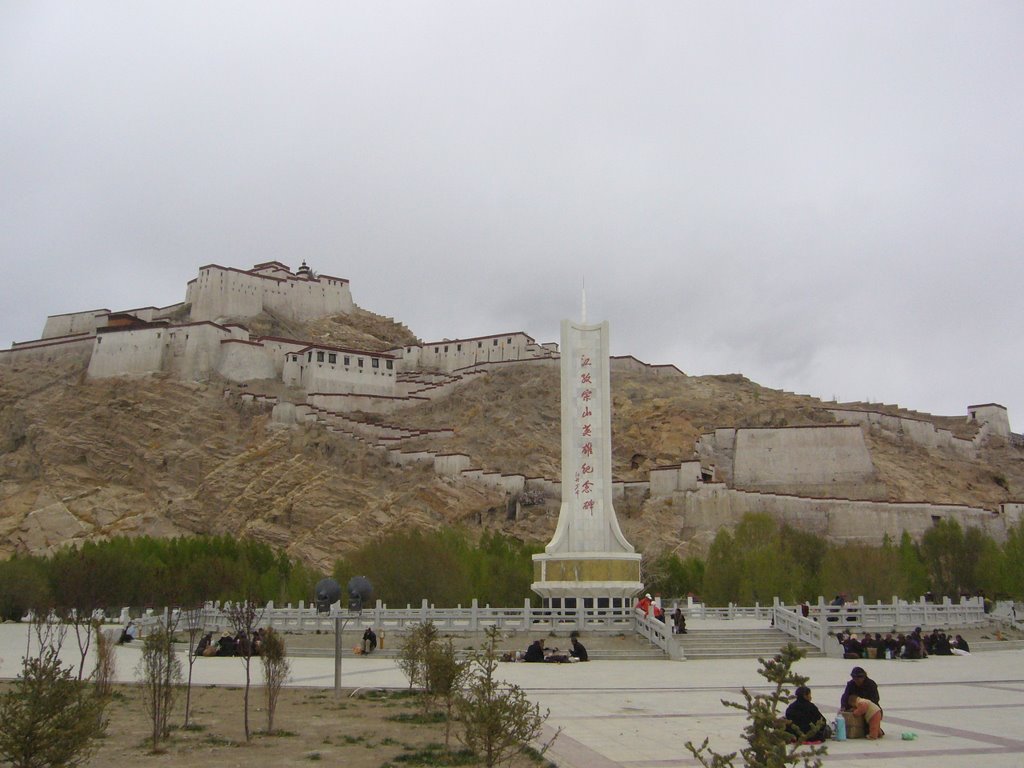 The front side of Dzong Fortress.
 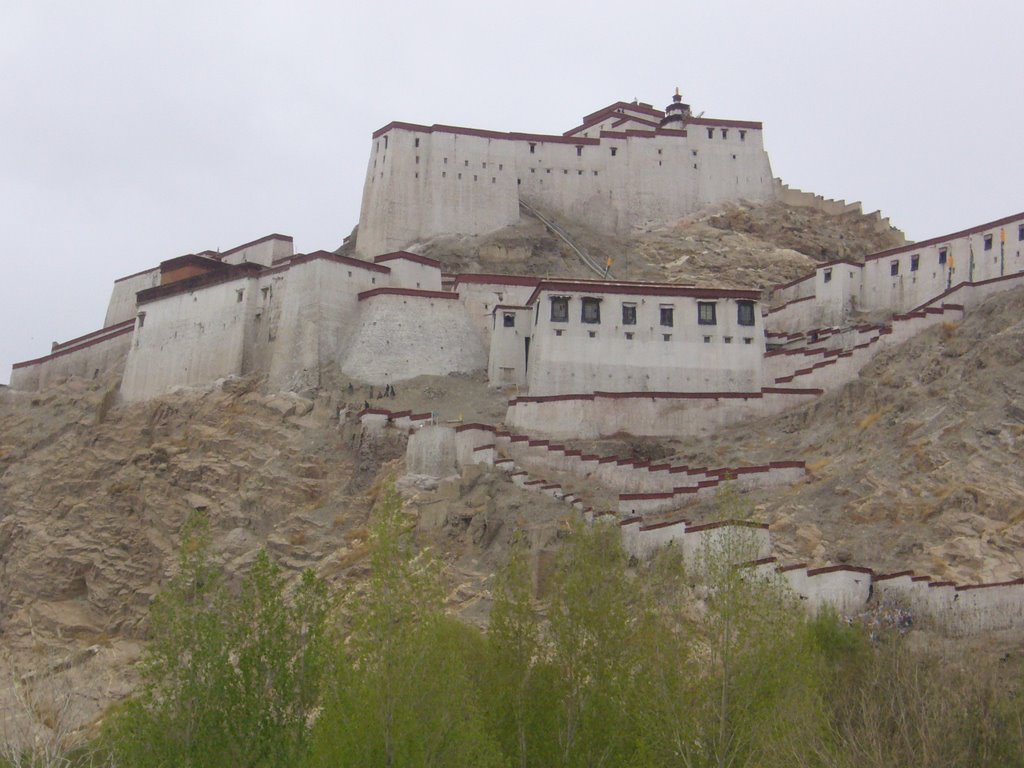 If you expand this, you can see people who were climbing up the path. It also puts the size of this fortress into perspective.
.0.jpg)
.0.jpg)


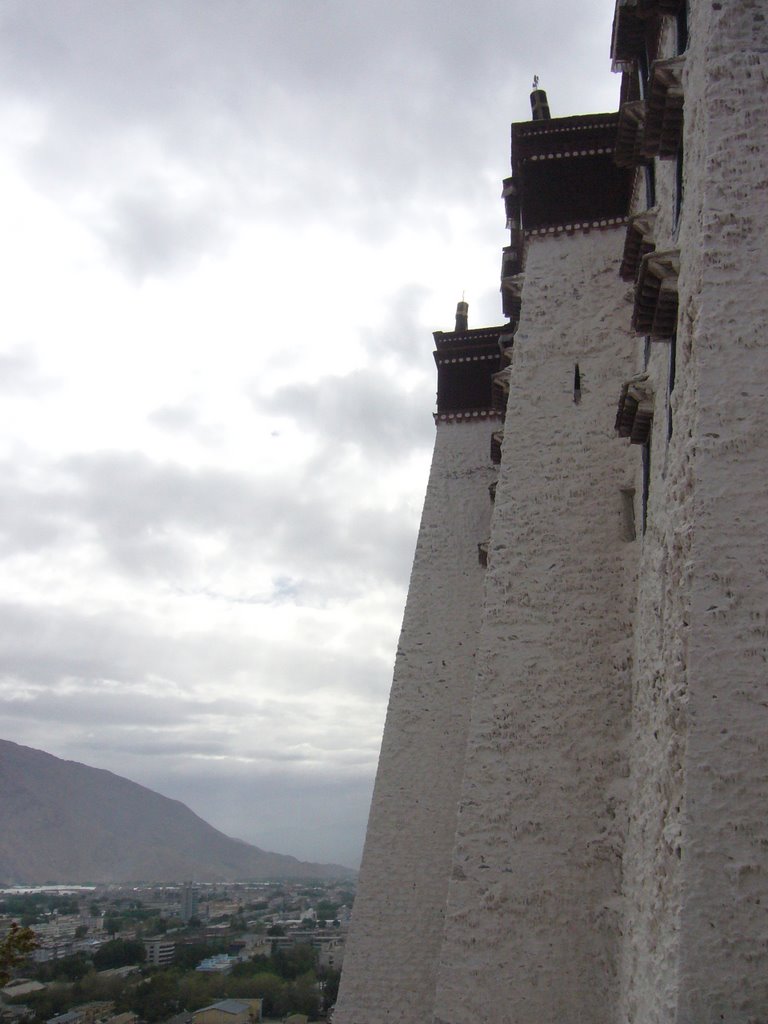

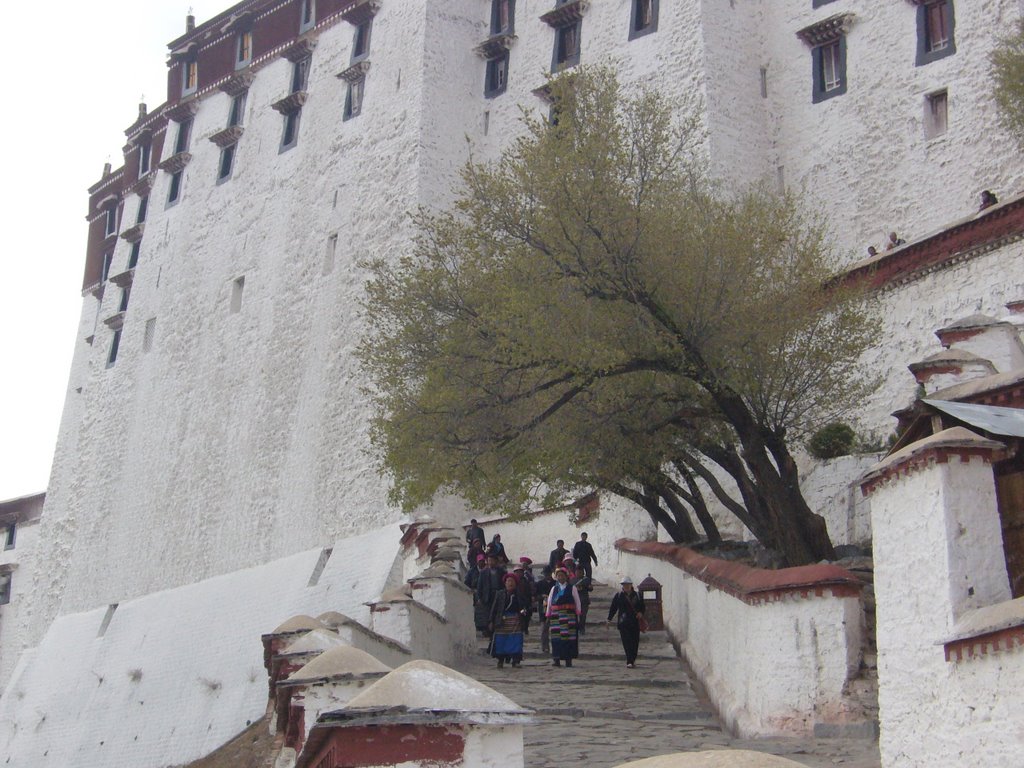
.1.jpg)
.0.jpg)
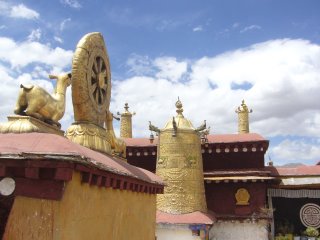 Two deer protecting a Dharma wheel with roof cyliners in the background.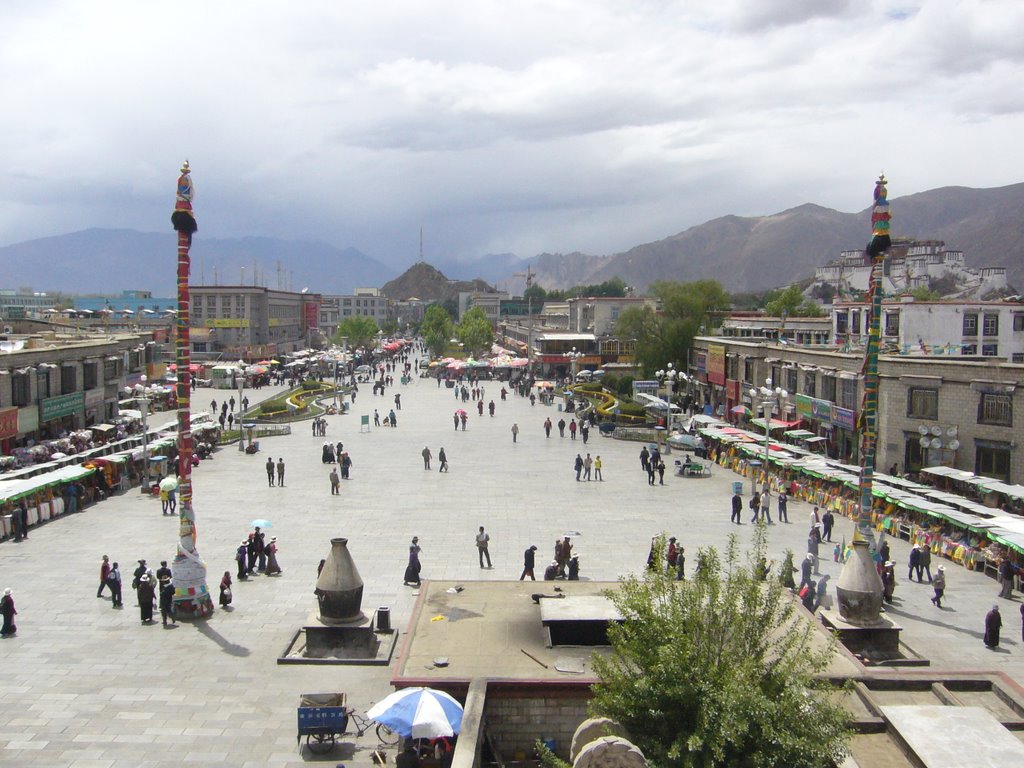
.jpg)
.jpg)
.jpg)
.jpg)
.jpg)
.jpg)
.jpg)
.jpg)
.jpg)
.jpg)
.jpg)
.jpg)
.jpg)
.1.jpg)
.1.jpg)
.1.jpg)
.1.jpg)
.1.jpg)